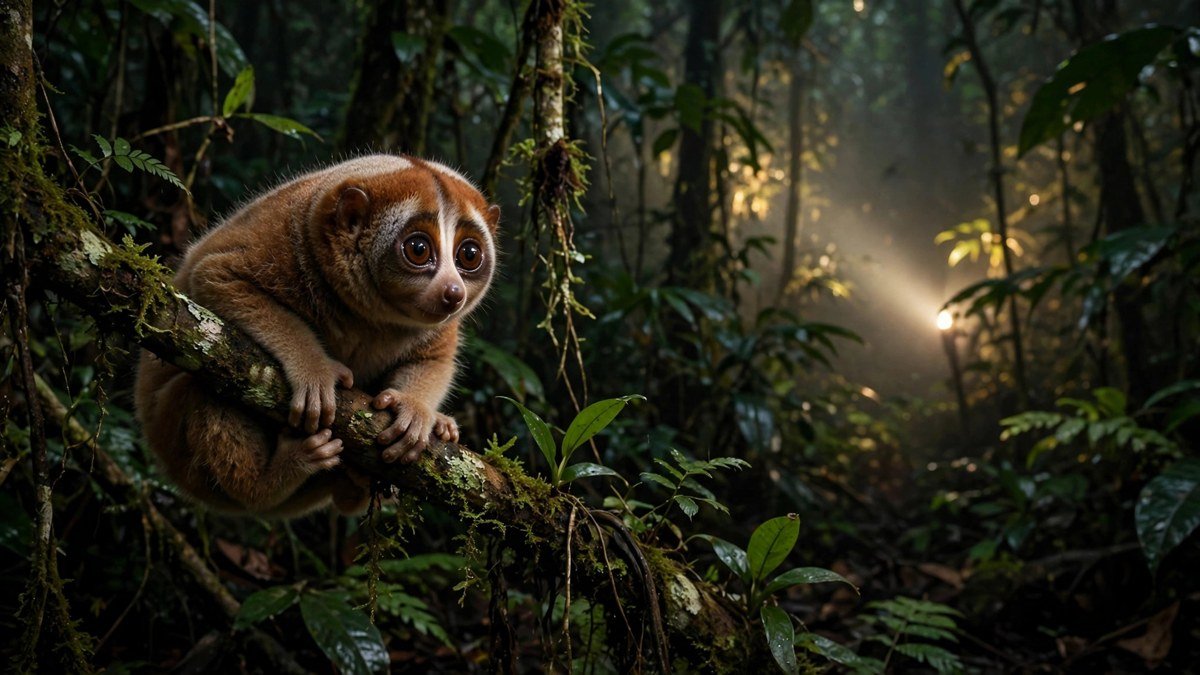
For almost a hundred years, science had no answer to a simple question: did the Bangka slow loris still exist? The small, big-eyed primate was last scientifically documented in the 1930s, was listed as critically endangered and possibly extinct, and had quietly slipped toward becoming another name on the list of species lost before they were ever properly studied.
Now the answer is in, and it is a happy one. A new study published in the journal Spixiana confirms that the Bangka slow loris is alive on the Indonesian island of Bangka, off the south-eastern coast of Sumatra. The evidence did not come from a big expedition. It came from the logbooks of the Alobi Wildlife Rescue Center, whose staff have spent more than a decade responding to calls from residents who found lorises in gardens, along roadsides and on power lines. Between 2015 and 2025, Alobi recorded more than 90 of the animals, across all four of the island’s regencies and the city of Pangkal Pinang. Of those, 86 recovered and were released back into the wild at seven sites chosen for their remaining forest cover.
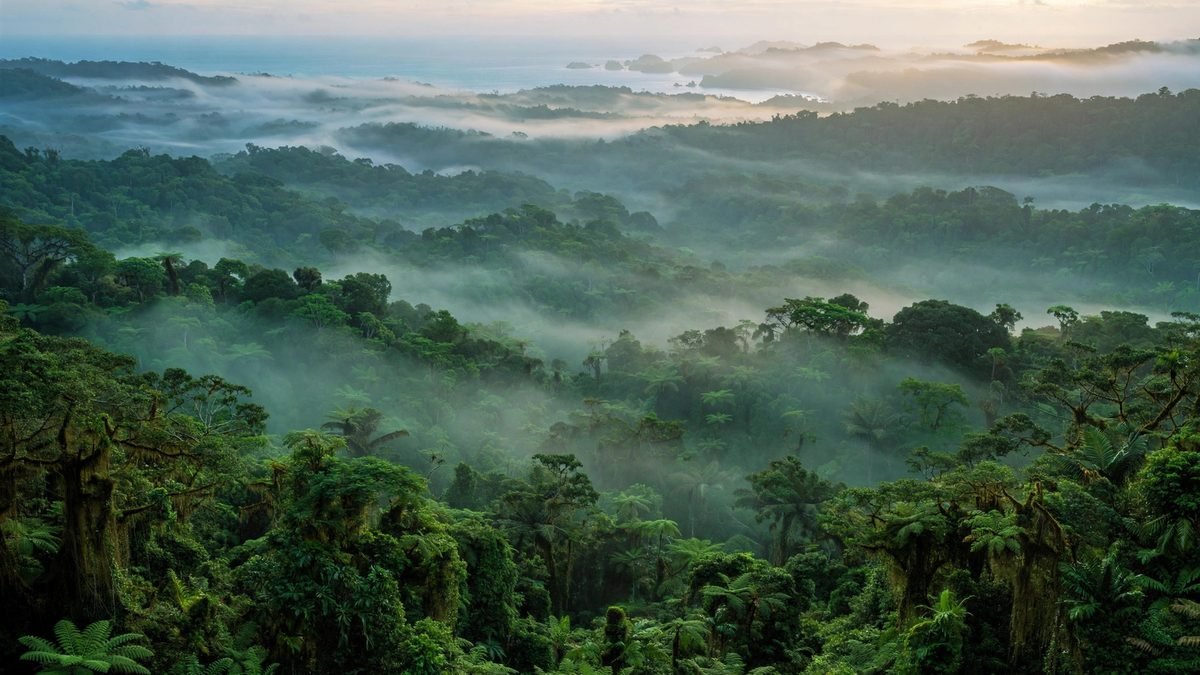
“The Bangka slow loris is still alive,” said Timon Glaw, a conservation researcher at Vienna’s Haus des Meeres Aqua Terra Zoo and one of the study’s authors. “What I find particularly astonishing is that such a charismatic and distinctive primate has received so little scientific attention for nearly a century. Its rediscovery also offers hope that other species feared to be extinct may still survive in places where scientists have not looked for decades. After all, Bangka is just about an hour flight from Jakarta, one of the largest cities in the world.”
The animal itself is remarkable. Slow lorises are the only venomous primates: they lick a gland inside the upper arm and mix the secretion with saliva to produce a defensive bite. The Bangka species, Nycticebus bancanus, is a small, nocturnal tree-dweller with reddish-brown fur, a pale facial mask and huge round eyes for seeing in the dark. It was first described in 1906 but only recognised as a species in its own right in 2013 — six years before its records simply stop.
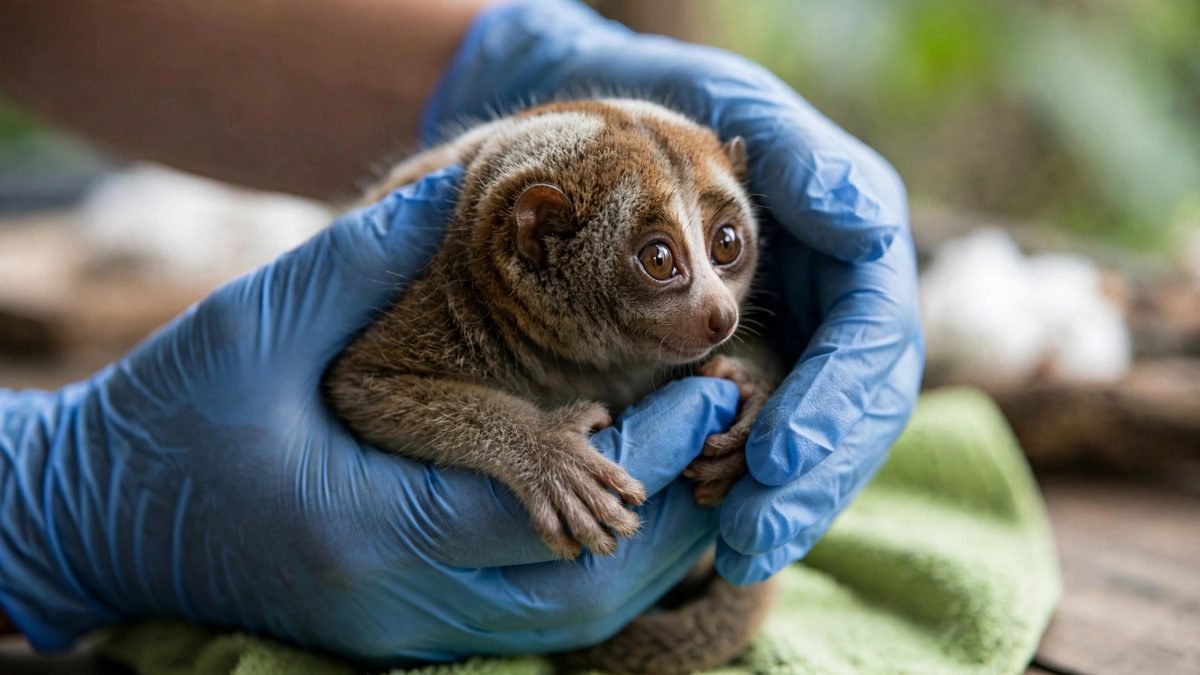
Survival is not the same as safety. Bangka’s forests have been shrinking under pressure from tin mining — much of it illegal — and large-scale clearing for oil palm plantations, while roads, power lines and the pet trade pose further threats. “We are glad to contribute to the scientific record to show that the Bangka slow loris is not lost, but the species is still very close to extinction,” said Langka Sani, Alobi’s director. The study’s authors recommend a long-term conservation programme built on population surveys, genetic research and, above all, protection of the forest fragments that remain.
The rediscovery carries a wider lesson that conservationists are fond of repeating because it keeps proving true: a species can vanish from the scientific record without vanishing from the lives of the people who share its home. The loris was never lost to the residents of Bangka. It just took science ninety years to ask them.

Sources:
Reuters — https://www.reuters.com/business/environment/feared-extinct-bangka-slow-loris-primate-rediscovered-indonesia-2026-10-20/
Re:wild — https://www.rewild.org/press/bangka-slow-loris-rediscovered
Leave a Reply