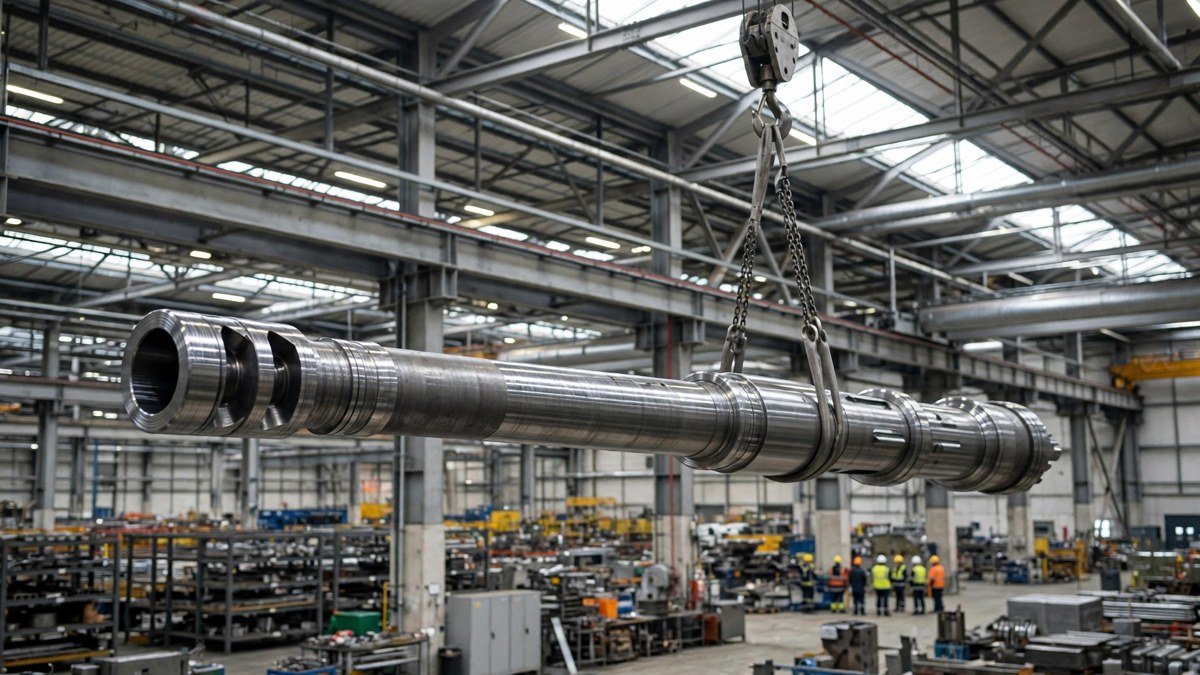
Britain is making large-calibre weapons again. Rheinmetall’s gun hall in Telford, Shropshire, has reached full production, restoring a sovereign manufacturing capability the country gave up two decades ago — and doing so, ministers were keen to point out, at unusual speed.
The plant produces barrels and breeches for 120mm and 155mm weapon systems, including the RCH 155 self-propelled howitzer and future artillery platforms, and it supports the Challenger 3 main battle tank programme. The 11,500-square-metre facility can, at peak capacity, turn out up to 245 barrels a year across both calibres as well as more than 50 breeches, using British steel supplied by Sheffield Forgemasters. Production of breeches and breech blocks began in May, with barrels following in June.
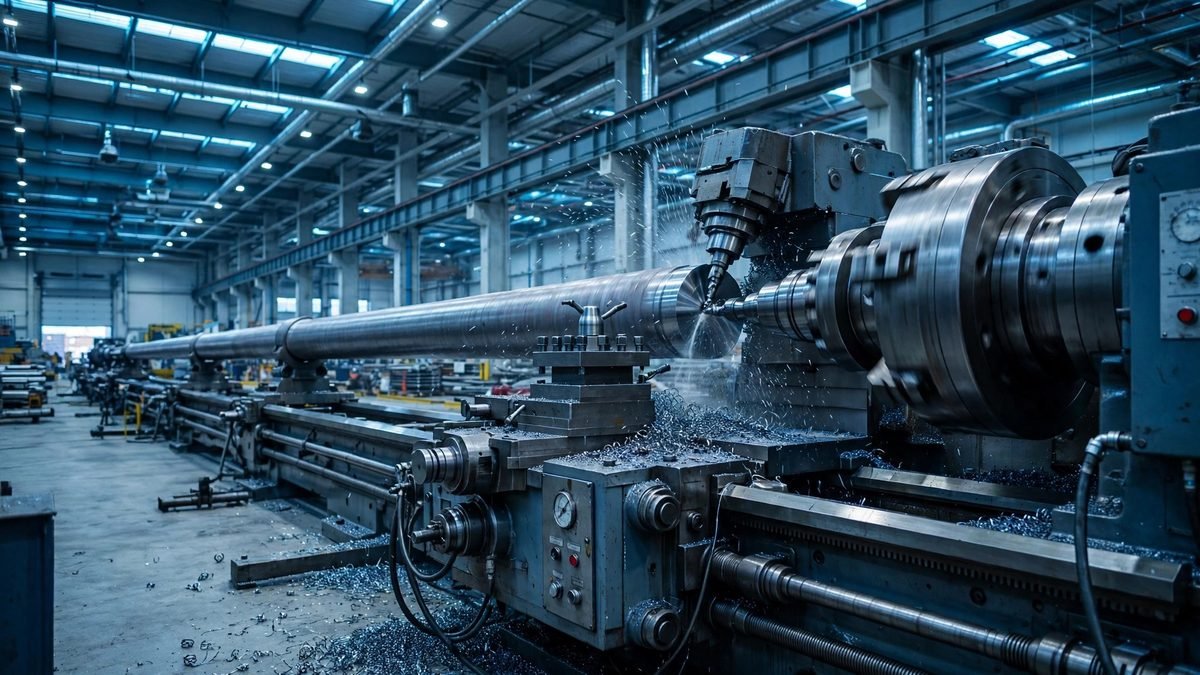
Defence Secretary Wes Streeting, who opened the site alongside Rheinmetall chief executive Armin Papperger and the head of the Army, General Sir Roly Walker, framed the plant as industrial policy as much as military policy. “Britain is back in the business of making the weapons that our Armed Forces need to defend the nation against our adversaries,” he said. “From an empty site to full production in eight months, this is rapid reindustrialisation in action.”
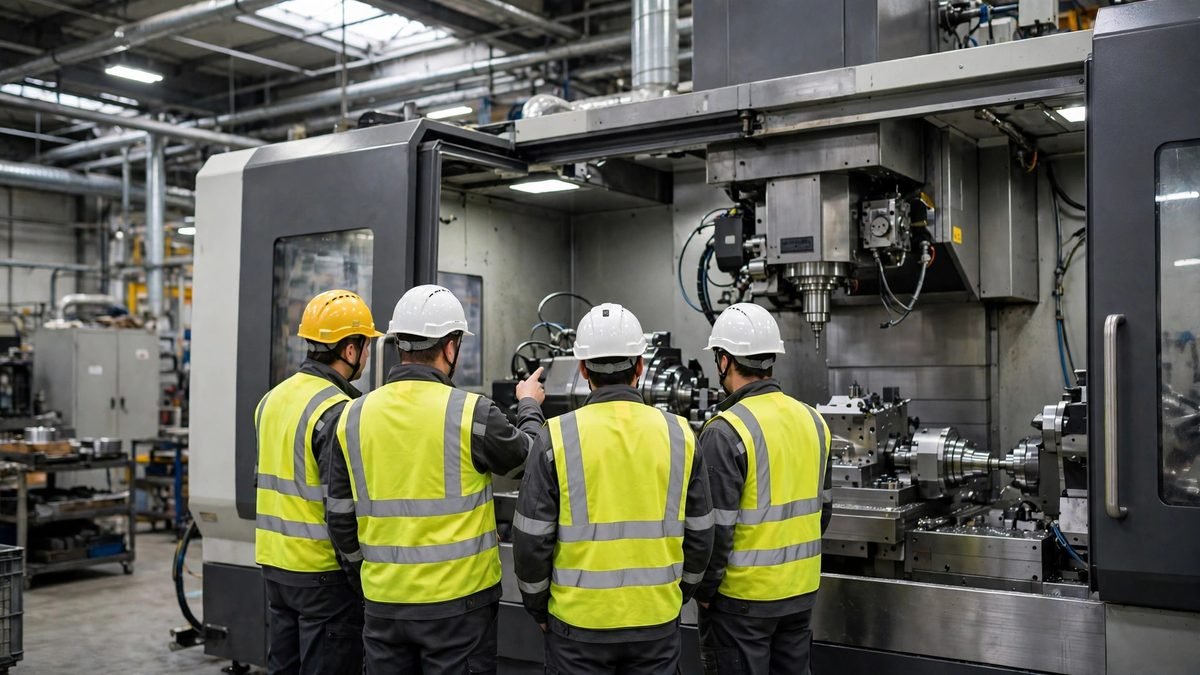
The gun hall supports about 100 highly skilled jobs in Telford — 35 people are currently employed at the hall itself, within a wider Rheinmetall operation of around 685 staff in the town — and the company expects the workforce to grow as production develops. Before manufacturing began, British staff were trained at Rheinmetall’s plant in Unterlüß, Germany, in precision manufacturing, quality assurance and weapon production. The tie-up reflects the defence co-operation agreement Britain and Germany signed in 2024, and the government argues the plant will anchor a domestic supply chain of smaller British firms for decades.

The timing is driven by geopolitics. Russia’s war against Ukraine has exposed how quickly modern armies burn through artillery barrels and shells, and how dependent Europe had become on a thin industrial base. Britain’s plan to rebuild domestic defence capacity is part of a wider European rearmament: London has committed to raising defence spending toward 3% of GDP as a step toward NATO’s target of 3.5% by 2035, though some UK defence projects face delays amid uncertainty about the exact timing of that increase.
For Telford, a town with a long engineering heritage, the plant is a tangible piece of the government’s “defence as an engine for growth” argument — well-paid manufacturing jobs in the regions, funded by the security anxieties of the moment. Whether the model spreads will depend on how quickly planned spending turns into signed orders, in Britain and across Europe’s other rearming states.
Sources:
Reuters — https://www.reuters.com/business/aerospace-defense/uk-restarts-large-calibre-weapon-manufacturing-after-20-years-defence-push-2026-10-22/
Business Matters — https://bmmagazine.co.uk/news/gun-barrel-production-returns-uk-telford/
Leave a Reply