Blog

  • Gun Barrel Production Returns to Britain After 20 Years as Telford Plant Reaches Full Output

    Gun Barrel Production Returns to Britain After 20 Years as Telford Plant Reaches Full Output

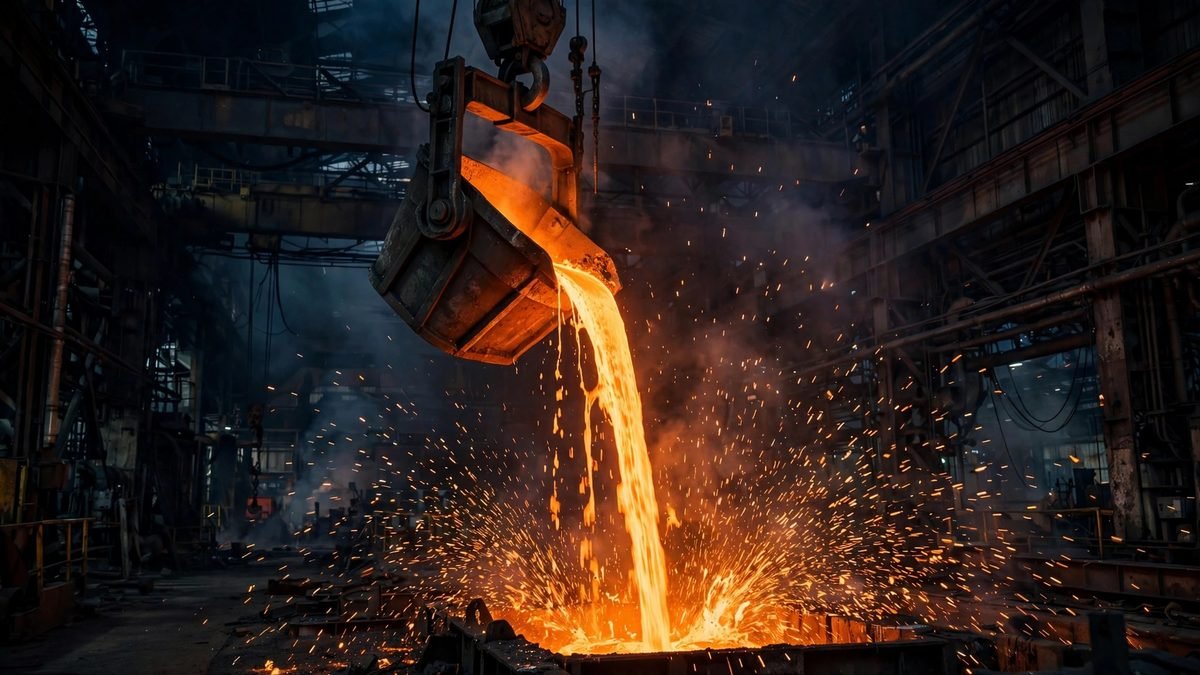
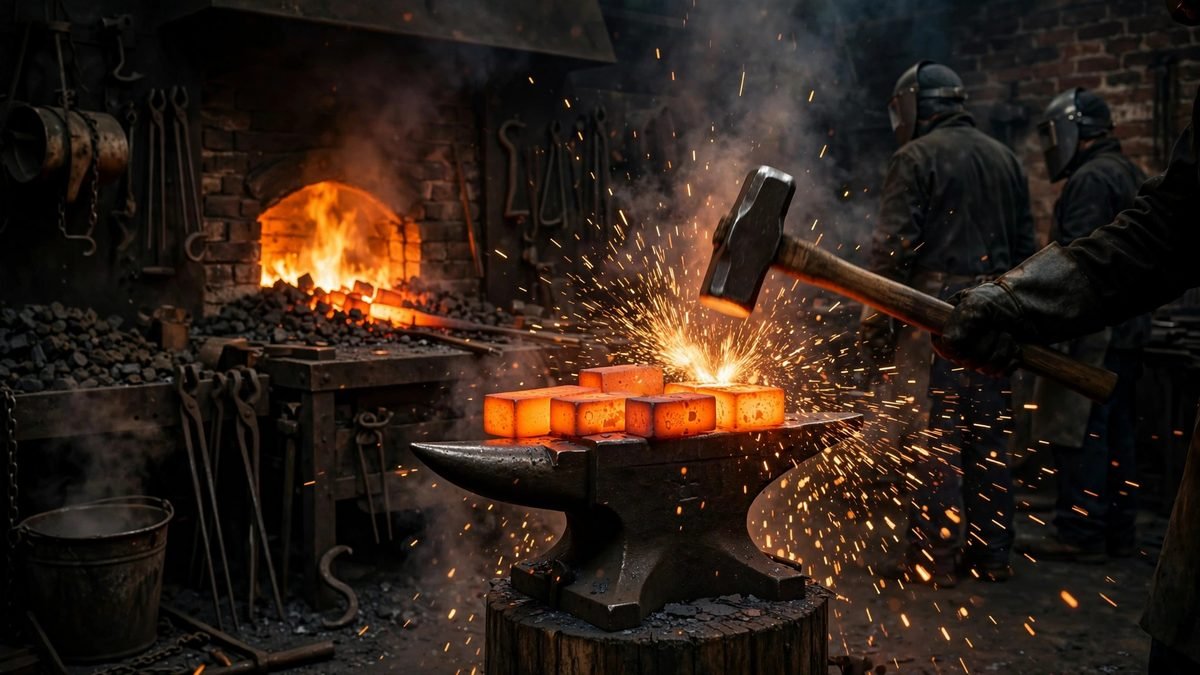
    Britain is making large-calibre weapons again. Rheinmetall’s gun hall in Telford, Shropshire, has reached full production, restoring a sovereign manufacturing capability the country gave up two decades ago — and doing so, ministers were keen to point out, at unusual speed.

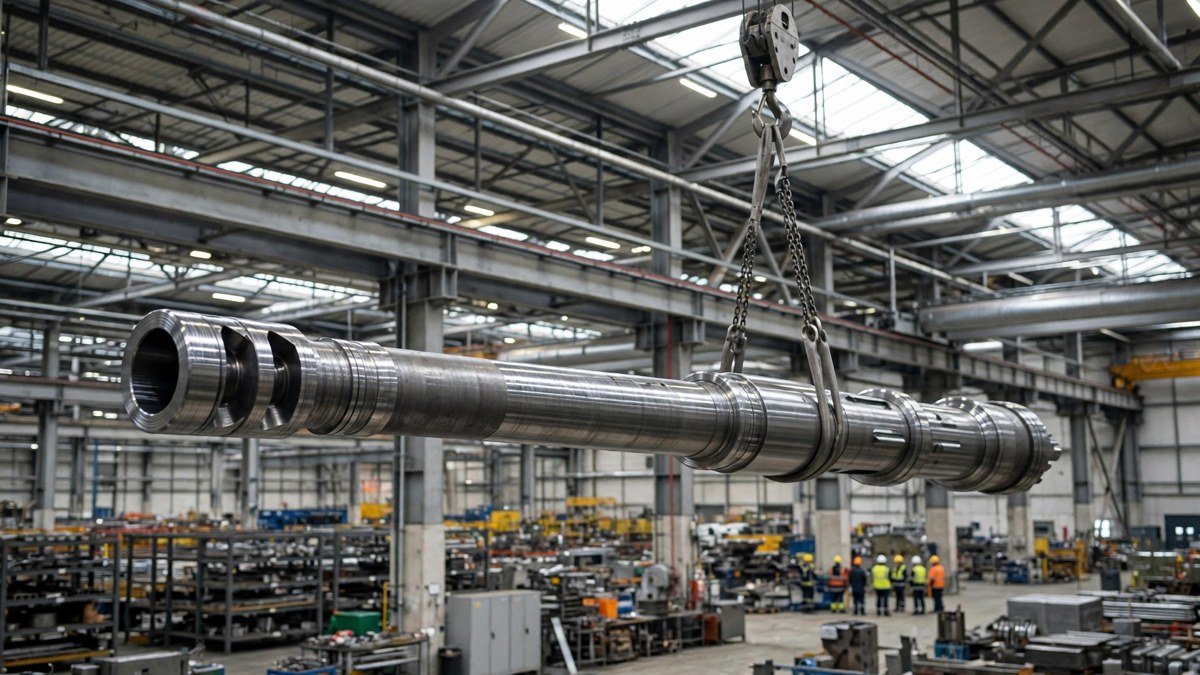
    The plant produces barrels and breeches for 120mm and 155mm weapon systems, including the RCH 155 self-propelled howitzer and future artillery platforms, and it supports the Challenger 3 main battle tank programme. The 11,500-square-metre facility can, at peak capacity, turn out up to 245 barrels a year across both calibres as well as more than 50 breeches, using British steel supplied by Sheffield Forgemasters. Production of breeches and breech blocks began in May, with barrels following in June.
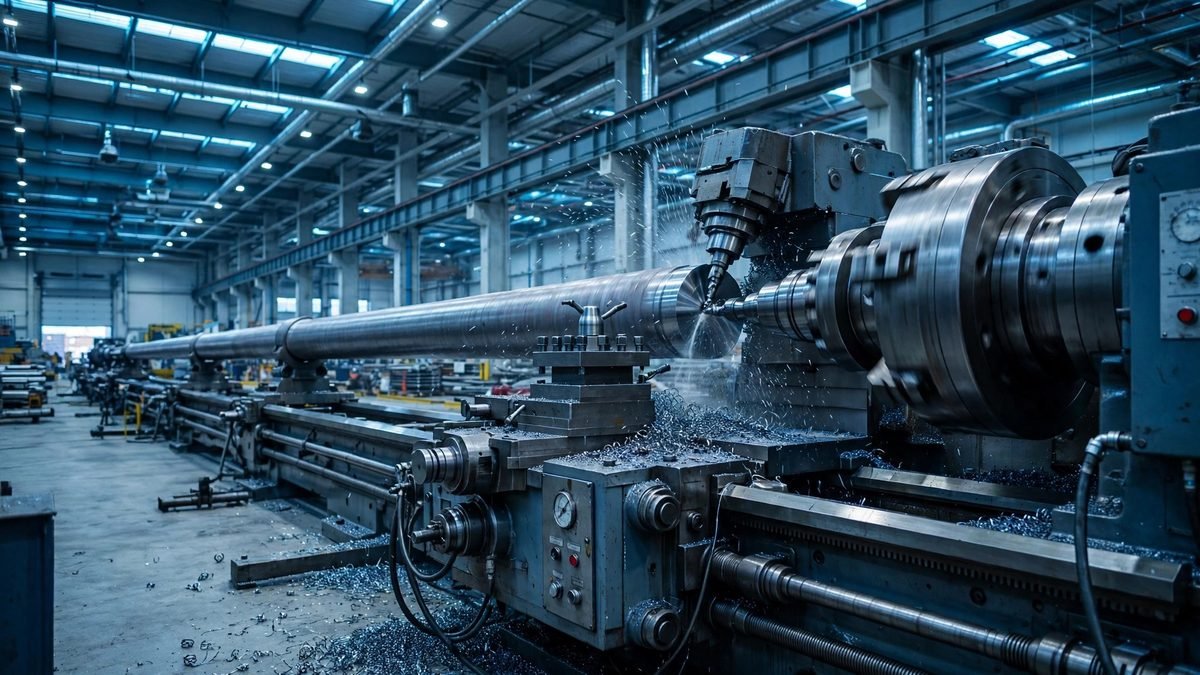
    Defence Secretary Wes Streeting, who opened the site alongside Rheinmetall chief executive Armin Papperger and the head of the Army, General Sir Roly Walker, framed the plant as industrial policy as much as military policy. “Britain is back in the business of making the weapons that our Armed Forces need to defend the nation against our adversaries,” he said. “From an empty site to full production in eight months, this is rapid reindustrialisation in action.”

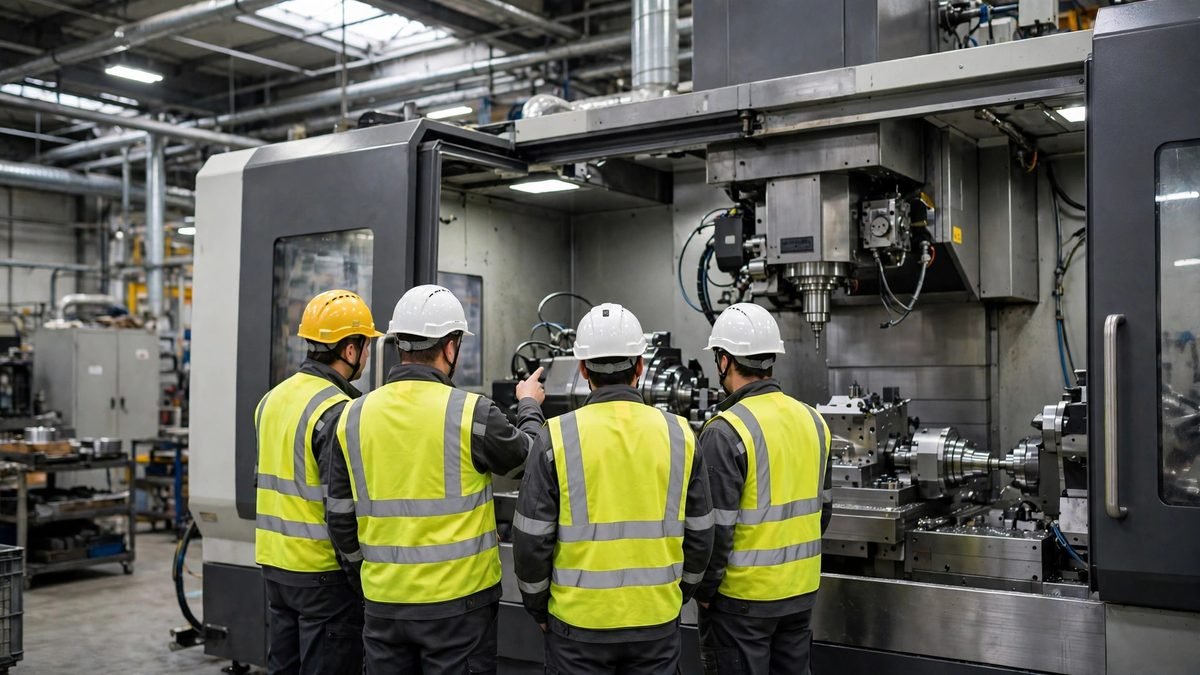
    The gun hall supports about 100 highly skilled jobs in Telford — 35 people are currently employed at the hall itself, within a wider Rheinmetall operation of around 685 staff in the town — and the company expects the workforce to grow as production develops. Before manufacturing began, British staff were trained at Rheinmetall’s plant in Unterlüß, Germany, in precision manufacturing, quality assurance and weapon production. The tie-up reflects the defence co-operation agreement Britain and Germany signed in 2024, and the government argues the plant will anchor a domestic supply chain of smaller British firms for decades.
    The timing is driven by geopolitics. Russia’s war against Ukraine has exposed how quickly modern armies burn through artillery barrels and shells, and how dependent Europe had become on a thin industrial base. Britain’s plan to rebuild domestic defence capacity is part of a wider European rearmament: London has committed to raising defence spending toward 3% of GDP as a step toward NATO’s target of 3.5% by 2035, though some UK defence projects face delays amid uncertainty about the exact timing of that increase.

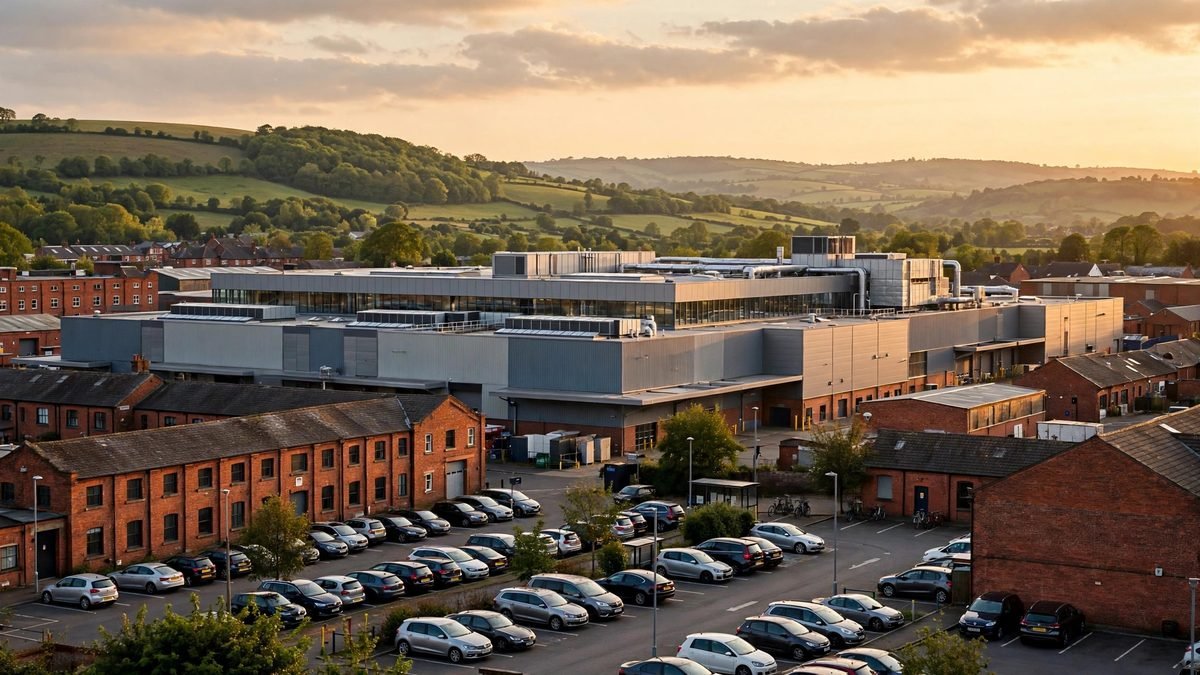
    For Telford, a town with a long engineering heritage, the plant is a tangible piece of the government’s “defence as an engine for growth” argument — well-paid manufacturing jobs in the regions, funded by the security anxieties of the moment. Whether the model spreads will depend on how quickly planned spending turns into signed orders, in Britain and across Europe’s other rearming states.
    Sources:
    Reuters — https://www.reuters.com/business/aerospace-defense/uk-restarts-large-calibre-weapon-manufacturing-after-20-years-defence-push-2026-10-22/
    Business Matters — https://bmmagazine.co.uk/news/gun-barrel-production-returns-uk-telford/
  • Canada Unveils C$8.7 Billion Shield for Steel and Auto Sectors Hit by US Tariffs

    Canada Unveils C$8.7 Billion Shield for Steel and Auto Sectors Hit by US Tariffs

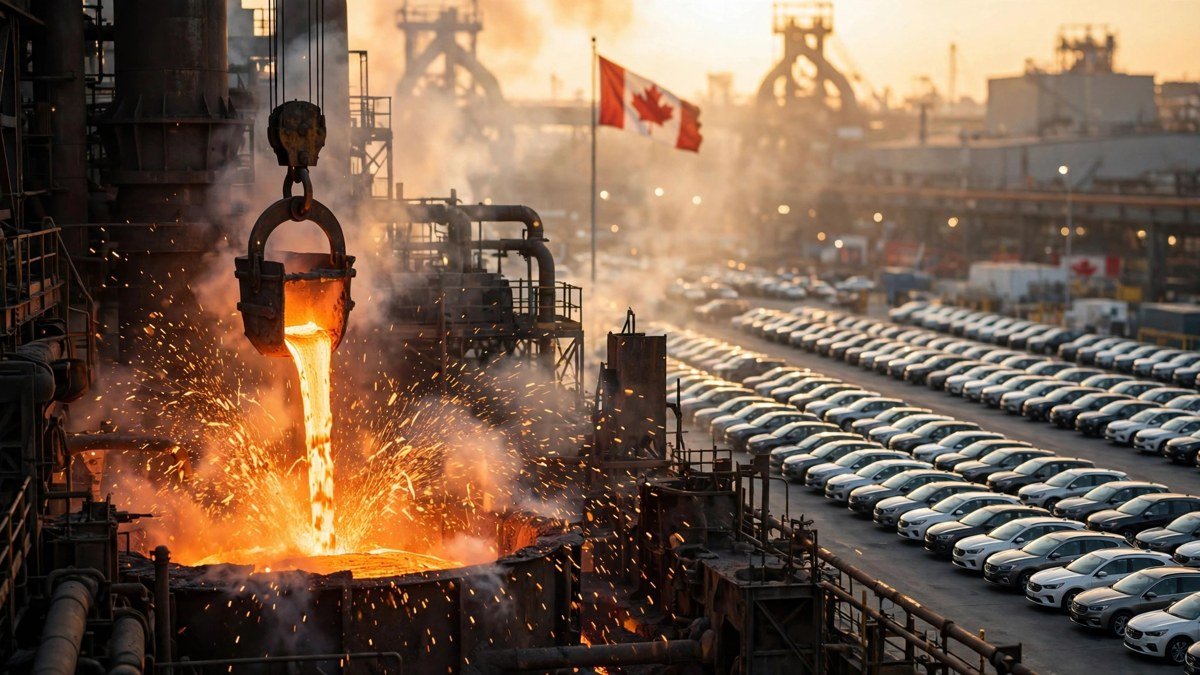
    Canada and the province of Ontario have jointly unveiled a C$8.7 billion (about US$6.2 billion) support package for the industries hardest hit by US tariffs, in the clearest sign yet that Ottawa is planning for a long trade fight rather than a quick settlement.

    Prime Minister Mark Carney and Ontario Premier Doug Ford announced the plan on Wednesday. The package includes about $3.7 billion for steelmakers and $1.8 billion for automakers over five years, with $1.1 billion of the auto funding coming from the federal government. It also establishes a joint steel action fund, supports upgrading car production lines for connected and electric vehicles, and invests in roads and faster approvals to secure critical mineral supply chains in Ontario’s north. The new money builds on more than C$25 billion in federal assistance already directed to workers and businesses affected by the tariffs.

    The trade damage is already measurable. Canadian auto exports to the United States have fallen by more than 10%, while US exports to Canada have dropped by more than 20% — a decline Carney said hurts families and businesses on both sides of the border. “US tariffs have upended a trade bargain that’s existed for decades,” he said. “Tariffs make both our industries weaker and reduce choice for our families.”

    The human cost was underlined the same day, when US-owned steelmaker Cleveland-Cliffs confirmed layoffs at its plant in Hamilton, Ontario. In a separate move on Thursday, Ottawa gave Cleveland-Cliffs 15 days to reverse planned job cuts at the former Stelco mill, warning that it could seek a court-ordered sale of the plant and impose daily fines if the company does not comply with employment commitments made when it bought the facility.

    Diplomatically, there is little sign of a thaw. Carney confirmed he spoke at length with President Donald Trump on Wednesday about trade, Iran and the Middle East, but signalled no breakthrough. Negotiations collapsed in August after Washington imposed 50% tariffs on roughly $20 billion of Canadian goods, prompting Canadian retaliation. Ford was blunt about the longer-term damage to the relationship. “No matter what happens in the midterms, no matter who sits in the White House, we’re not going back to the way things were,” he said.

    Ontario is Canada’s manufacturing heartland, and its car and steel plants were built around frictionless cross-border trade — parts routinely cross the border several times before a vehicle is finished. That integration, once the industry’s great strength, is now its exposure. The package’s logic is to buy time: keep plants and workers in place, modernise production, and develop alternative supply chains and markets — including a push to deepen trade ties with partners such as Türkiye, where Carney travelled this week — while the two countries’ political relationship is rebuilt, or not.

    Sources:
    CGTN — https://news.cgtn.com/news/2026-10-22/Canada-and-Ontario-unveil-C-8-7-billion-package-to-counter-US-tariffs-1RrjHrEcD9S/p.html
    Tert.am — https://tert.am/en/news/2026/10/22/Canada/4287742

  • DeepSeek Raises $15 Billion as It Speeds Toward a Shanghai Stock Market Listing

    DeepSeek Raises $15 Billion as It Speeds Toward a Shanghai Stock Market Listing

    DeepSeek, the Chinese artificial intelligence startup that startled Silicon Valley last year by building a frontier-class model at a fraction of the expected cost, has raised $15 billion in its second private funding round — nearly double its original target — as it accelerates plans to list in Shanghai early next year.

    The round, which ran from July through this month, drew in both existing shareholders and new heavyweight backers, according to people familiar with the matter. Battery giant Contemporary Amperex Technology (CATL) and tech group Tencent, both previous investors, put in more money, alongside existing shareholders Monolith Management and Shixiang. New participants include semiconductor-focused private equity firm Stony Creek Capital, Legend Capital and carmaker Geely. Before the round closed, DeepSeek was valued at roughly $74 billion.

    The company is now moving quickly toward public markets. It has hired state-owned investment bank Citic Securities to advise on the listing and recruited former venture capitalist Yan Wentao as chief financial officer in September. If the timetable holds, DeepSeek could reach the stock market ahead of OpenAI — a striking prospect for a lab that, less than two years ago, was known mainly to researchers.

    DeepSeek’s appeal to investors rests on an unusual combination: competitive models and, by the standards of the industry, striking efficiency. Founder Liang Wenfeng told investors in September that the company’s annualised revenue run rate had reached $1 billion, more than double the $400 million to $500 million reported in July. The money comes mainly from cloud-based access to its models through APIs. The company has reportedly maintained gross margins of 70% to 80% on access to its V4 flagship model despite charging less than US rivals, and in August it introduced peak-hour pricing that raised rates for its flagship models roughly fourfold at busy times — still below major competitors’ prices.

    The raise also lands at a moment when investors globally are asking harder questions about AI economics. On the same day DeepSeek’s round was reported, US tech shares were sliding precisely because of anxiety over whether heavy AI infrastructure spending will generate adequate returns. DeepSeek’s pitch to investors is, in effect, the opposite one: comparable capability without the comparable bill. Annualised revenue is not profit, however, and the company continues to invest heavily in computing power — the new capital is expected to fund model research and infrastructure as it prepares its restructuring for the listing.

    The deal is the largest primary-market financing in China this year and underlines how much of the AI race is now being funded and fought outside the United States. Rival Chinese lab Moonshot AI is also reported to be approaching a stock market debut. For Washington, which has tried to slow China’s AI progress by restricting exports of advanced chips, DeepSeek’s trajectory — efficient models, a $74 billion pre-IPO valuation and a domestic listing — is an uncomfortable counterpoint.

    Sources:
    The Wall Street Journal via Morningstar — https://www.morningstar.com/news/dow-jones/202610223804/chinese-ai-startup-deekseek-raised-15-billion-ahead-of-potential-ipo
    PYMNTS — https://www.pymnts.com/news/artificial-intelligence/2026/deepseek-raises-15-billion-ahead-of-planned-shanghai-ipo

  • Critical PHP Security Flaws Force Governments Around the World to Take Websites Offline

    Critical PHP Security Flaws Force Governments Around the World to Take Websites Offline

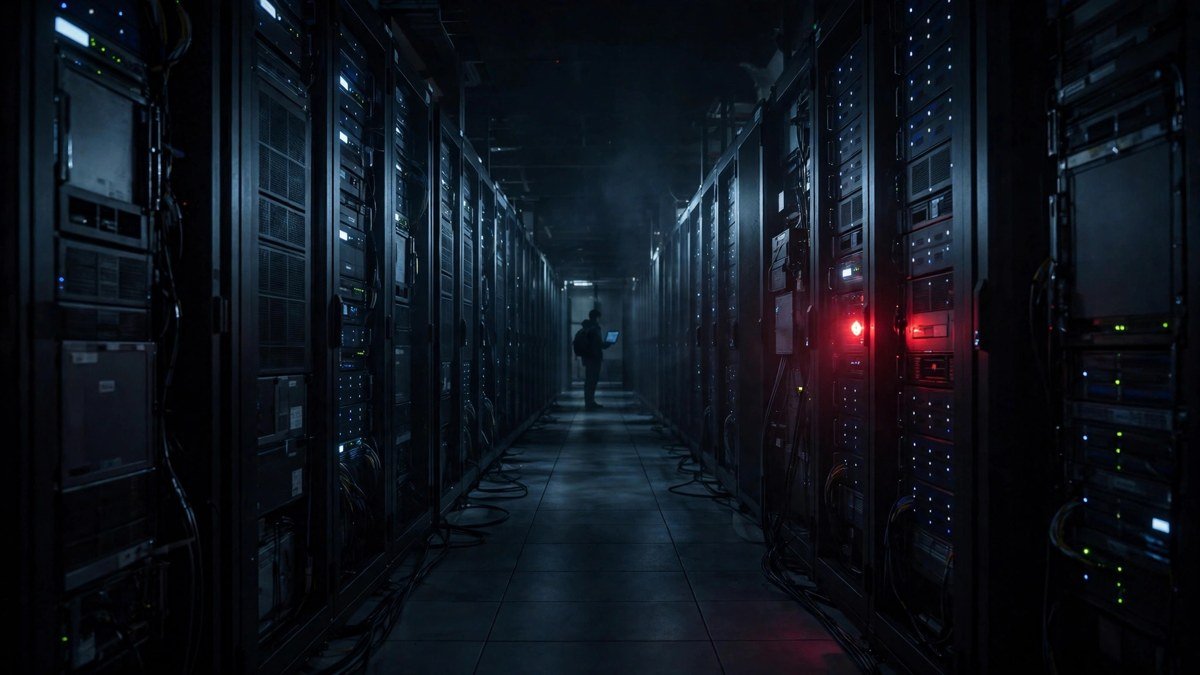
    Governments and companies around the world spent Thursday racing to patch two critical security flaws in PHP, the programming language that quietly powers most of the web — and in many cases simply switched their websites off until the fix could be applied.

    In Britain, technology minister Baroness Lloyd of Effra told the House of Lords that 32 government services were unavailable and four more partially disrupted. She stressed that the outages were largely the result of precautionary shutdowns while security updates were applied, and that officials were not aware of any confirmed compromise of central government systems. Among the bodies known to have taken their sites offline is the Office for Budget Responsibility, the Treasury watchdog — an awkward absence with the Budget due next week. Local councils including Edinburgh, Oxford, Bristol, Lambeth and Barnet were also affected, along with some BBC web portals.

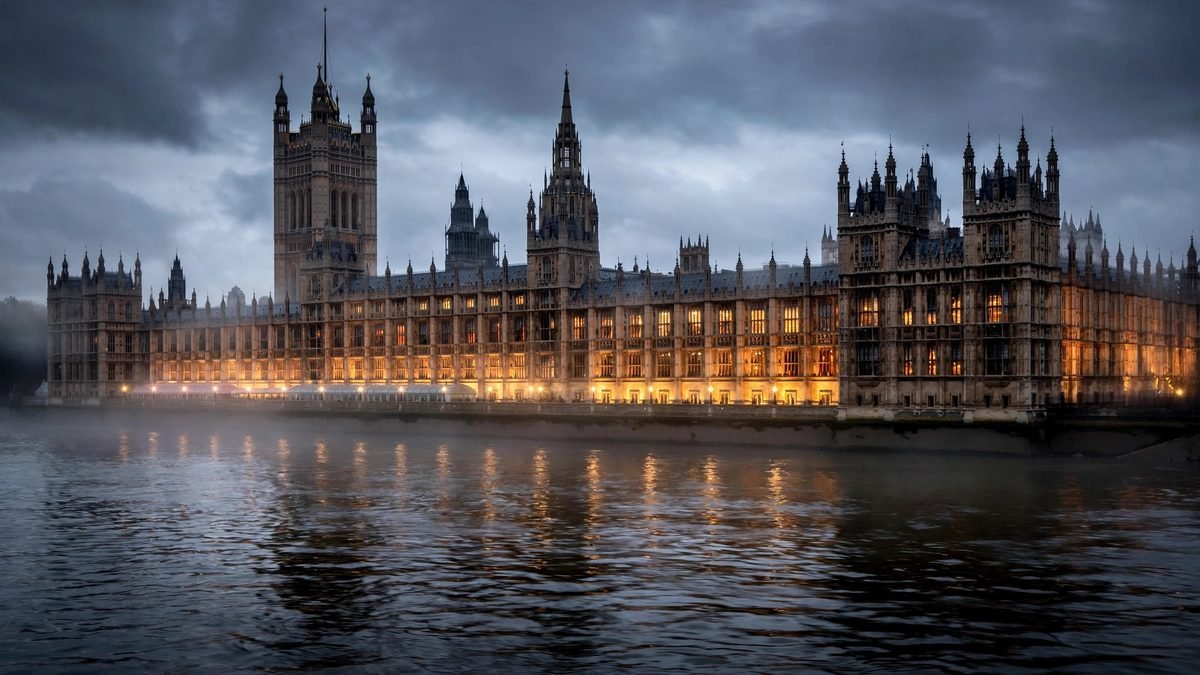
    The flaws, grouped under the name PHP2Shell and tracked as CVE-2026-109618 and CVE-2026-109619, are “remote code execution” bugs: they can allow an attacker with no login credentials to run their own code on a vulnerable server. That is about as serious as web vulnerabilities get. PHP underpins roughly three quarters of websites whose technology can be identified, including WordPress, which runs more than 40% of all sites. Security experts have rated the flaws as high as 9.2 out of 10 in severity, and a former head of the UK’s National Cyber Security Centre, Ciaran Martin, described the discovery as the most serious vulnerability detected in five years.

    Britain was far from alone. Germany’s federal IT provider took government websites offline as a preventive measure, France suspended the sites of its local prefectures, Belgium’s foreign ministry pulled its websites down, and in the Netherlands the Port of Rotterdam, the national football association and numerous hospital sites went dark. Finland’s state IT centre shut the government’s public web services, the Czech government took its website offline on its cyber watchdog’s advice, and in Japan the finance ministry, tax agency, brokerage Nomura, lender MUFG and airline ANA all suspended some online services. In the United States, the National Security Agency urged organisations to patch or disconnect vulnerable systems.

    The episode has an unusual twist: the bugs were found with the help of artificial intelligence. A researcher at security firm Calif discovered one of them using an OpenAI model, while researchers at Wiz separately uncovered both flaws using AI tools. OpenAI then helped coordinate disclosure with vendors and governments, and the UK’s NCSC was briefed in advance and sent out 50,000 warnings to businesses and other organisations. The planned patch release was brought forward to Wednesday after details leaked — and within hours of the flaws becoming public, Cloudflare recorded exploitation attempts jumping from thousands to millions.

    Patches are now available, and the NCSC’s advice is blunt: update immediately, or consider taking a vulnerable system offline until it can be fixed. For smaller organisations running old, unsupported versions of PHP, that may mean rebuilding entire systems — a reminder of how much of the modern internet still rests on decades-old code that few people ever see.

    Sources:
    The Register — https://www.theregister.com/security/2026/10/22/php2shell-puts-dozens-of-uk-government-services-out-of-service/5304840
    The National — https://www.thenationalnews.com/news/europe/2026/10/22/uk-orders-dozens-of-official-websites-offline-after-flaw-warnings/

  • Tech Selloff Drags Wall Street Lower as AI Spending Fears Return and Oil Tops $111

    Tech Selloff Drags Wall Street Lower as AI Spending Fears Return and Oil Tops $111

    Wall Street gave back the previous day’s gains on Thursday, as a round of big-tech earnings that would once have cheered investors instead deepened doubts about how much money artificial intelligence is consuming — and how soon it might pay off.

    By late morning in New York, the S&P 500 was down about 1.3% at 7,658, the tech-heavy Nasdaq Composite had fallen more than 2% to 26,121, and the Dow Jones Industrial Average was slightly lower at 52,736. The selling was broad but led by the companies that have carried the market all year.

    Meta Platforms was among the biggest drags despite beating earnings expectations. Investors focused less on the numbers than on the company’s plans to keep pouring money into AI infrastructure. Unlike Microsoft, Amazon or Google, Meta does not rent computing capacity to outside customers, which makes the return on its enormous capital spending harder to demonstrate. Meta’s results, which included revenue up 26% to $64.6 billion alongside a roughly $9.9 billion legal charge, still left the stock lower.

    Tesla also slipped after its third-quarter results, with sentiment dented by profit concerns and a decision to trim its full-year capital expenditure target to around $20 billion. Traders who price Tesla as an AI and robotics company read the cut as a sign of cooling ambition. Chip stocks fared worse: Lam Research dropped sharply after a quarterly outlook that disappointed the market, pulling rivals such as Applied Materials and KLA lower, while Nvidia and memory maker Micron also declined. A downgrade of cloud firm CoreWeave added to the pressure on AI-linked names.

    There were exceptions. Spotify jumped more than 9% after reporting improved margins, and chemicals group Dow Inc edged higher after results beat expectations. Defensive sectors such as consumer staples and utilities were the day’s relative winners.

    The second force pushing markets down came from energy. Brent crude rose more than 2% to trade above $111 a barrel, its highest level since May, while US benchmark WTI hovered near $100, after attacks on infrastructure in Saudi Arabia heightened fears over supply. Washington has ordered non-essential diplomatic staff and their families to leave the kingdom, and investors are pricing in the risk of a wider escalation around the Strait of Hormuz. Saudi Aramco is reported to be seeking access to overseas storage facilities to protect its ability to deliver crude if local operations are disrupted.

    The combination unsettled markets worldwide. In Asia, Japan’s Nikkei 225 fell 2.7% and South Korea’s Kospi dropped 3.5%, while Hong Kong’s Hang Seng lost 3.1%. European shares were also firmly lower, with Germany’s DAX down 1.2% and France’s CAC 40 off 1.6%. Gold, usually a refuge on days like this, fell about 2% to near $4,054 an ounce; instead, money moved into government bonds, pushing the 10-year US Treasury yield down toward 5.04%, and into the Japanese yen and Swiss franc. Bitcoin slid roughly 3% to below $82,000.

    The one reassuring data point came from the labour market, where weekly jobless claims fell to a three-month low — a sign that, for now, the real economy is holding up better than the stock market’s mood. Attention now turns to next week, when Alphabet, Microsoft and Amazon report results that will be read as a verdict on whether the AI spending boom still has the market’s confidence.

    Sources:
    The Motley Fool — https://www.fool.com/coverage/stock-market-today/2026/10/22/stock-market-midday-oct-22-tech-weakness-drags-nasdaq-lower-as-ai-spending-concerns-mount/
    XTB Market Wrap — https://www.xtb.com/int/market-analysis/news-and-research/market-wrap-decent-results-are-not-enough-tech-stocks-fall-further-oil-highest-since-may-22-10-2026